 Annual Sale
 Laptop Deals
 Desktop Deals
 Workstation Deals
 Gaming PC Deals
 PC Accessories Deals
 Monitor Deals
 Tablets & Phones Deals
 Server & Storage Deals
 Clearance Sale
Understanding Laptop vs Desktop PC in Different Usage Scenarios
Summary
Choosing between a laptop and a desktop PC often depends on how, where, and how long a system is used each day. This article explains laptop vs desktop pc through practical decision factors such as portability, performance characteristics, upgrade paths, display and input flexibility, connectivity, power behavior, and long-term ownership considerations. It also reviews how each form factor commonly aligns with workloads including office productivity, study, software development, content creation, data analysis, and hardware-focused tasks. Rather than presenting a single outcome as universally applicable, the sections focus on trade-offs that can shape a purchase decision, including space constraints, peripheral needs, and maintenance expectations. The goal is to provide a structured way to compare options using measurable requirements such as CPU and GPU class, memory capacity, storage type, and I/O needs.
Content note: This article is created through Lenovo’s internal content automation framework and reviewed for clarity and consistency.
Estimated reading time: 12–15 minutes
Understanding The Core Differences Between Laptops And Desktop PCs
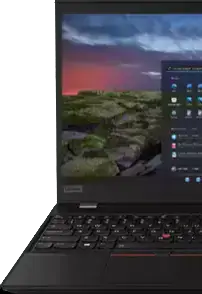
A laptop integrates the main computing components, display, keyboard, pointing device, speakers, and battery into a single portable chassis. This integration supports use across multiple locations, including shared workspaces, classrooms, and travel environments. Because components are tightly packaged, laptops typically prioritize power efficiency, thermal limits appropriate for compact designs, and a balance of features within a fixed enclosure.
A desktop PC separates the core system unit from the display and input devices. This separation supports flexible selection of monitors, keyboards, pointing devices, audio equipment, and other peripherals. Desktop designs typically have more internal volume for cooling and expansion, which can support higher sustained power targets for some CPU and GPU configurations, along with broader upgrade options over time.
Neither category is inherently “better” for every user. The practical difference is how each form factor manages constraints such as space, mobility, power delivery, cooling capacity, and component accessibility. Understanding these constraints helps translate a workload into a set of hardware and usability requirements.
Form Factor And Workspace Planning
Portability And Location Flexibility
Portability is a defining characteristic of laptops. A laptop can be used in multiple rooms, moved between sites, or stored when not in use. This flexibility can be useful for users who alternate between meetings, study spaces, and home environments, or who need a single system that can be carried daily.
Desktop PCs are typically used in a fixed location. This can be beneficial when a consistent workspace is available and when the user prefers a stable multi-peripheral setup. A fixed location can also simplify cable management and support larger displays or multiple monitors without needing to reconnect devices frequently.
Desk Space And Peripheral Footprint
A laptop can reduce the number of separate devices required to start working, since the display and input devices are built in. Even when external peripherals are added, the base system remains compact. This can be helpful in smaller work areas or shared desks where setup time matters.
A desktop PC can occupy more space due to the system unit and external display. However, the separation of components can also make it easier to position devices for specific tasks, such as placing a larger monitor at a preferred viewing distance or using specialized input devices for certain workflows.
Performance Characteristics And Sustained Workloads
CPU Power Targets And Thermal Headroom
Many laptops use CPUs designed for efficiency and controlled heat output in compact enclosures. These CPUs can deliver strong performance for everyday productivity and many professional tasks, but sustained heavy workloads may be influenced by cooling capacity and configured power limits. For long-running tasks such as compiling large projects or exporting media, performance can vary by chassis design, cooling system, and power profile.
Desktop PCs often have more room for cooling solutions and can support CPUs configured for higher sustained power targets. This can be relevant for workloads that run continuously for extended periods, where consistent performance over time is a priority. The practical outcome is not a universal advantage, but a difference in how each form factor manages heat and power under load.
GPU Options And Graphics-Heavy Tasks
Some laptops include integrated graphics, while others include discrete GPUs. Integrated graphics can support general office work, web applications, and media playback, and may also support light creative tasks depending on software requirements. Laptops with discrete GPUs can support more demanding graphics workloads, but power and thermal limits may influence sustained performance during long sessions.
Desktop PCs can support a wide range of GPU configurations, including larger discrete GPUs with higher power budgets. This can be relevant for 3D rendering, GPU-accelerated creative applications, and certain compute workloads. The key selection factor is matching the GPU class and memory capacity to the software’s requirements, rather than assuming a form factor alone determines suitability.
Memory Capacity And Bandwidth Considerations
Memory requirements vary widely by workload. Many everyday tasks run well with moderate memory capacity, while data-heavy workflows can benefit from higher capacity. Some laptops use soldered memory, some use replaceable modules, and some use a combination. This affects upgrade flexibility and long-term planning.
Desktop PCs commonly use replaceable memory modules, which can make capacity upgrades more straightforward. For users who expect memory needs to grow over time, the ability to add or replace modules can be a practical consideration. Regardless of form factor, memory speed, channel configuration, and capacity should be aligned with workload demands.
Storage Types And Expansion
Both laptops and desktops commonly use solid-state storage, which supports fast boot times and responsive application loading. Some laptops support multiple internal drives, while others support a single internal drive with external expansion via USB or other interfaces. Storage expansion in laptops may be limited by internal space and available slots.
Desktop PCs often support multiple internal drives, which can be useful for separating operating system storage from project files, scratch disks, or local archives. This can also support workflows that require large local datasets. External storage remains an option for both categories, but internal expansion is typically more flexible in many desktop designs.
Display And Input Flexibility
Monitor Size, Resolution, And Multi-Display Setups
A laptop’s built-in display supports immediate use without additional equipment. Display size and resolution vary by model, and external monitors can be added when a larger workspace is needed. For users who frequently change locations, the built-in display can be a practical baseline that supports consistent access to work.
Desktop PCs rely on external monitors, which allows the user to select size, resolution, and panel characteristics based on task needs. Multi-monitor setups are common in fixed workspaces for tasks such as spreadsheets, coding, and content timelines. The key factor is how much screen space and how many simultaneous windows the workflow typically requires.
Keyboard And Pointing Device Options
Laptops include integrated keyboards and pointing devices, which supports portability and quick setup. External keyboards and pointing devices can be used when a user prefers a specific layout or when a fixed desk setup is available.
Desktop PCs typically use external keyboards and pointing devices by default, which supports a wide range of layouts and feature sets. For both laptops and desktops, selection should focus on functional requirements such as key layout, connectivity type, and compatibility with the operating environment, rather than non-technical claims.
Connectivity, Ports, And Expansion
Built-In Ports And Docking Patterns
Port selection can influence daily usability. Laptops may include a mix of USB ports, video output, audio, and card readers, but the number of ports can be limited by chassis size. Many users address this through hubs or docking solutions, particularly when connecting multiple peripherals at a desk.
Desktop PCs often provide more ports and internal expansion options, which can simplify connecting multiple devices such as external drives, wired networking, audio interfaces, and additional displays. The practical decision point is the number and type of devices that must be connected simultaneously, and whether the user prefers a single-cable desk connection pattern or a permanently wired setup.
Networking Options
Both laptops and desktops commonly support wireless networking, and many also support wired networking. Wired networking can be relevant for stable throughput in file transfers, remote work sessions, or local network storage access. Wireless capability is often important for flexible placement and use across different locations.
The selection factor is not the presence of networking alone, but the environment in which the system will operate. For example, a fixed workspace with access to wired networking may prioritize a stable wired connection, while a mobile workflow may prioritize strong wireless performance and easy reconnection across networks.
Power Behavior And Mobility Requirements
Battery Operation Versus Continuous Power
A laptop’s battery supports use away from a power outlet and can provide continuity during short power interruptions. Battery runtime varies based on workload, display brightness, wireless use, and power settings. For planning purposes, it is useful to consider the most demanding tasks performed on battery and whether those tasks must be done away from power.
Desktop PCs typically require continuous external power and are not designed for battery operation. In a stable workspace, this can be acceptable and can simplify performance planning because the system is generally used under consistent power conditions. The trade-off is reduced flexibility for location changes.
Power Profiles And Performance Modes
Many laptops include configurable power profiles that balance performance and power consumption. These profiles can influence CPU and GPU behavior, fan activity, and battery runtime. Understanding how a laptop behaves under different profiles can help align expectations for tasks such as video calls, document work, or rendering.
Desktop PCs may also offer power and performance settings, but they are generally used under continuous power. The practical difference is that laptops often require more active management of power settings when switching between mobile and desk use.
Ownership Considerations Over Time
Upgrades And Component Access
Upgrade flexibility varies by device design. Some laptops allow storage upgrades and, in some cases, memory upgrades, while others have more limited internal access. Battery replacement may also vary by design. Users who expect to keep a system for many years may want to review service documentation and upgrade options before purchase.
Desktop PCs commonly support upgrades to memory, storage, and sometimes CPU and GPU, depending on platform compatibility. This can be useful when workloads evolve or when a user wants to extend the usable life of a system by updating specific components. The practical consideration is whether the user prefers a fixed configuration or a system that can be modified over time.
Total System Configuration
A laptop purchase typically includes the core system, display, and input devices in one package. Additional costs may include external monitors, docks, or external storage depending on the workflow.
A desktop PC purchase typically requires selecting a monitor and input devices separately. This can increase upfront planning but also allows tailoring the setup to specific tasks. When comparing costs, it is useful to consider the complete working configuration rather than the system unit alone.
Workload-Based Evaluation
Office Productivity And Communication
For document editing, spreadsheets, presentations, email, and web-based tools, both laptops and desktops can be suitable. The differentiators are often screen space, keyboard preferences, and whether the user works in multiple locations. A laptop can support quick transitions between rooms or sites, while a desktop can support a consistent multi-display workspace.
For video meetings and collaboration tools, factors such as camera placement, microphone quality, and network stability can matter. These are available across both categories, but the setup approach differs. Laptops provide integrated components, while desktops may rely on external peripherals.
Education And Study Workflows
Students and educators often benefit from portability for moving between classes, study areas, and home. A laptop can consolidate the system into a single device that is easy to transport and store. For coursework that involves writing, research, and web applications, a wide range of laptop configurations can be sufficient.
A desktop PC can be practical for a fixed study space, particularly when larger displays support reading and referencing multiple sources simultaneously. The decision often depends on whether the user needs computing access across multiple locations or primarily in one place.
Software Development And Technical Work
Software development can range from lightweight scripting to large-scale builds and local testing environments. Key factors include CPU performance for compilation, memory capacity for running multiple tools, and storage speed for project indexing and dependency management.
A laptop can support development on the move and can connect to external displays at a desk. A desktop PC can support a more permanent multi-monitor setup and may offer more flexibility for memory and storage expansion. The practical choice depends on whether development work is primarily mobile, desk-based, or a mix of both.
Content Creation And Media Work
Photo editing, video editing, audio production, and design tools can benefit from strong CPU performance, sufficient memory, fast storage, and, in some cases, a discrete GPU. Display characteristics such as resolution and color settings can also matter, depending on the work.
A laptop can support on-location work and review sessions, with external monitors used for expanded workspace when available. A desktop PC can support larger displays and more internal storage for large project libraries. The decision often comes down to whether creation happens primarily in a fixed studio-like workspace or across multiple locations.
Data Analysis And Local Compute Tasks
Data analysis workloads vary from spreadsheet-based work to local processing of large datasets. Memory capacity and storage throughput can be important when working with large files locally. CPU performance can matter for compute-heavy operations, and a GPU may be relevant for certain accelerated tasks depending on the tools used.
A laptop can support analysis in meetings or classrooms and can connect to external storage when needed. A desktop PC can support larger local storage configurations and may be easier to expand as dataset sizes grow. The practical factor is the scale of local data and whether mobility is required.
Gaming And Graphics-Intensive Use
Gaming workloads depend on target resolution, refresh rate, and the performance profile of the CPU and GPU. Laptops designed for gaming can include discrete GPUs and high-refresh displays, while desktops can support a wide range of GPU and monitor configurations.
The selection process benefits from defining performance targets and matching them to hardware capabilities. It is also useful to consider where gaming will occur, such as a fixed desk setup versus multiple locations, and whether external displays will be used.
Strengths And Considerations Of Laptop
Strengths
- Portability: Supports working across multiple locations without moving separate components.
- Integrated Setup: Combines display, keyboard, pointing device, and speakers in one system.
- Battery Operation: Can support short periods of use away from external power.
- Space Efficiency: Can be practical for smaller desks or shared workspaces.
- Quick Deployment: Supports rapid setup for meetings, classes, and temporary work areas.
- External Display Support: Can connect to monitors for expanded workspace when needed.
- Wireless-First Design: Commonly includes wireless networking for flexible placement.
- Single-Device Ownership: Consolidates core computing into one device for mixed-location use.
Considerations
- Upgrade Variability: Some designs limit memory or internal storage upgrades depending on configuration.
- Port Availability: Chassis size can limit the number of built-in ports for peripherals.
- Sustained Load Behavior: Compact cooling can influence performance consistency in long-running heavy tasks.
- Repair Complexity: Integrated components can make certain repairs more specialized.
- Display Size Limits: Built-in screens may be smaller than external monitors used in fixed workspaces.
- Peripheral Expansion: Multi-device setups may require hubs or docking solutions.
- Battery Aging: Runtime can change over time based on usage patterns and battery condition.
- Configuration Planning: Selecting CPU, GPU, memory, and storage at purchase can matter when upgrades are limited.
Strengths And Considerations Of Desktop PC
Strengths
- Peripheral Flexibility: Supports selecting monitors and input devices based on task requirements.
- Expansion Options: Often supports additional internal storage and add-in components.
- Sustained Performance Potential: Larger cooling capacity can support longer high-load sessions in some configurations.
- Multi-Display Support: Commonly used with multiple monitors for window-heavy workflows.
- Service Accessibility: Many designs allow easier access for cleaning and component replacement.
- Port Density: Often includes more built-in ports for wired peripherals and external storage.
- Workspace Consistency: Supports a stable, always-connected desk setup.
- Component Modularity: Allows targeted upgrades when workload needs change.
Considerations
- Limited Mobility: Typically designed for fixed-location use and requires external power.
- Larger Footprint: Requires space for a system unit and at least one external display.
- Setup Complexity: Involves selecting and connecting multiple components and cables.
- Upfront Planning: Requires considering monitor, keyboard, pointing device, and audio needs separately.
- Power Dependency: Does not support battery operation for location changes or short outages.
- Transport Practicality: Moving a full setup can be time-consuming compared to a single-device system.
- Noise Variation: Fan and component noise can vary by case design and cooling configuration.
- Space Management: Cable routing and peripheral placement may require additional planning.
Frequently Asked Questions
How do laptops and desktops differ in daily use?
Laptops integrate the main system, display, and input devices, which supports quick setup and movement between locations. Desktop PCs separate these components, which supports flexible monitor and peripheral choices in a fixed workspace. Daily differences often relate to where the system is used, how many peripherals are connected, and how often the setup changes.
Which form factor supports multi-monitor setups more easily?
Desktop PCs commonly support multi-monitor setups because the workspace is fixed and the monitor selection is external by design. Laptops can also support multiple external displays, but the approach may depend on available ports and whether a hub or docking solution is used. The practical factor is the number of displays and required resolutions.
What hardware specs matter most for office productivity?
For office productivity, key specs typically include a capable CPU, sufficient memory for multitasking, and solid-state storage for responsive application loading. Display size and resolution can also influence how comfortably multiple documents are viewed at once. Both laptops and desktops can meet these needs when configured appropriately.
How should users evaluate CPU needs for their workload?
CPU needs depend on whether tasks are short and interactive or long and compute-heavy. Document work and web applications often use modest CPU resources, while compiling code, exporting media, or running local analysis can use more. It can help to list the most demanding applications and check their published requirements.
When does a discrete GPU become important?
A discrete GPU can be relevant for 3D work, GPU-accelerated creative applications, and some compute tasks that use GPU acceleration. For general productivity and media playback, integrated graphics may be sufficient. The decision should be based on the software used, target resolution, and whether GPU acceleration is part of the workflow.
How do memory requirements differ across common tasks?
Memory needs scale with the number of applications open and the size of active files. Web browsing with many tabs, large spreadsheets, and creative projects can use more memory than basic document editing. If a workflow regularly uses large datasets or multiple tools at once, higher memory capacity can be useful.
What storage configuration supports large local files?
Large local files often benefit from solid-state storage for active projects and additional capacity for archives. Some users separate the operating system and applications from project storage to simplify organization. Desktop PCs often support multiple internal drives, while laptops may rely more on a single internal drive plus external storage.
Are laptops suitable for long-running compute tasks?
Many laptops can handle long-running compute tasks, but results can vary by cooling design and configured power limits. For workloads that run for hours, it is useful to review how the system behaves under sustained load and whether it is typically used on external power. Desktop PCs may offer more cooling headroom in some builds.
How do ports and connectivity affect real workflows?
Ports determine how easily peripherals connect without adapters. Workflows involving external drives, wired networking, multiple displays, or specialized devices may require more ports than a compact laptop provides. Desktop PCs often include more built-in ports, while laptops may use hubs or docking solutions to expand connectivity at a desk.
What should users consider about wireless and wired networking?
Wireless networking supports flexible placement and mobility, while wired networking can support stable throughput in some environments. The right choice depends on the workspace and network access. Users who frequently move between locations may prioritize strong wireless capability, while fixed workspaces may benefit from consistent wired connections.
How do laptops and desktops differ in upgrade options?
Upgrade options depend on design. Many desktops support upgrades to memory, storage, and sometimes CPU or GPU, subject to compatibility. Laptops may allow storage upgrades and sometimes memory upgrades, but some configurations have limited internal expansion. Reviewing service documentation and configuration details can clarify what is replaceable.
What is the role of external peripherals with a laptop?
External peripherals can expand a laptop’s capabilities in a fixed workspace. Common additions include external monitors, keyboards, pointing devices, and external storage. This approach can support a desk-like experience while retaining portability. The key consideration is how often peripherals are connected and whether a single-cable setup is preferred.
How does a desktop PC support specialized workflows?
Desktop PCs can support specialized workflows through modular components and peripheral flexibility. Examples include multiple internal drives for large projects, add-in cards for specific connectivity needs, and multi-monitor setups for window-heavy tasks. The ability to adjust components over time can be useful when software requirements change.
What factors influence total cost beyond the computer itself?
Total cost includes the full working setup. Laptops include a built-in display and input devices, while desktops typically require a monitor and peripherals. Additional items such as external storage, hubs, or networking equipment may also be relevant. Comparing complete configurations can provide a clearer view than comparing the base system alone.
How should users plan for travel or hybrid work?
Travel and hybrid work often prioritize portability, battery operation, and quick setup. A laptop can support these needs directly, while a desktop PC typically remains in a fixed location. Some users combine a laptop for mobility with external peripherals at a desk. Planning should reflect how often the system moves and where work occurs.
What should users check for display-related requirements?
Display requirements depend on tasks such as reading, editing, and media work. Consider screen size, resolution, and whether external monitors are needed for additional workspace. For color-sensitive work, users may also consider calibration workflows and consistent display settings. Both laptops and desktops can support external displays when needed.
How do noise and cooling differ between form factors?
Noise and cooling behavior vary by design and workload. Laptops have compact cooling systems that may change fan activity under load. Desktop PCs often have more space for cooling solutions, but noise can still vary by case airflow and component selection. Reviewing workload patterns helps set expectations for typical operating conditions.
What is a practical way to choose between them?
A practical approach is to list primary tasks, required software, and where the system will be used. Then map those needs to CPU, GPU, memory, storage, display, and port requirements. If mobility is frequent, a laptop may fit the pattern. If a fixed workspace and expansion matter, a desktop PC may fit.
Can one setup cover both mobile and desk workflows?
One setup can cover both patterns when a laptop is paired with external peripherals at a desk. This supports mobility while also supporting a larger display and additional devices when stationary. The key is planning connectivity, such as how monitors and storage will connect, and whether a hub or docking solution is needed.
What should users consider for long-term ownership?
Long-term ownership considerations include upgrade options, repair accessibility, and how workload needs may change. Desktop PCs often support incremental upgrades, while laptops may require more planning at purchase if upgrades are limited. It is also useful to consider storage growth, memory needs, and peripheral requirements over time.
Conclusion
Laptop and desktop PC form factors reflect different design priorities. Laptops emphasize integrated portability, battery operation, and quick deployment across locations, while desktop PCs emphasize modularity, peripheral flexibility, and expansion in a fixed workspace. A structured comparison based on workload, location patterns, display needs, connectivity, and upgrade expectations can help users select a configuration that aligns with practical requirements without relying on broad assumptions about either category.